
Hamburger Recipe Ingredients, Nutrition & Allergen Guide
Hamburger: The Classic McDonald’s Burger $3.99 | 251 Cal
A Hamburger is a popular sandwich made with a seasoned ground beef patty served in a sliced bun, often topped with lettuce, tomato, onion, pickles, ketchup, and mustard. Despite the name, it does not contain hamit comes from Hamburg, Germany, known for minced beef dishes. The basic ingredients include ground beef (80/20 for best juiciness), salt, pepper, and a bun, with optional toppings and sauces for extra flavor.
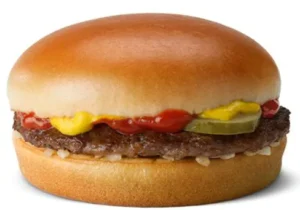
Hamburger: The Classic McDonald’s Burger
$3.99 | 251 Cal
A hamburger recipe is a simple way to make juicy, homemade burgers using these core ingredients. Patties can be cooked on a stovetop or grill in just minutes, making it an easy and versatile meal. This guide covers everything you need, including ingredients, cooking steps, nutrition facts, calories, and allergen information to help you make the perfect hamburger every time.
Hamburger Ingredients: What You Need for the Perfect Burger
Making a perfect hamburger is simple if you use the right ingredients. You only need ground beef, salt, pepper, a soft bun, and your favorite toppings. Fresh and good-quality ingredients make your burger more juicy and tasty.
You can keep your burger basic or add cheese, sauces, and vegetables to make it better. The key is balancegood meat, simple seasoning, and fresh toppings.
Best Meat for Hamburger Patties (80/20 Ground Beef Explained)
The best meat for burgers is 80/20 ground beef. This means 80% meat and 20% fat. The fat helps make the burger juicy and full of flavor.
If you use lean meat (like 90/10), your burger may become dry. Always use fresh beef and don’t press or overmix the patties, so they stay soft and juicy.
Essential Seasonings for a Simple Hamburger Recipe
You don’t need many spices for a good burger. Just salt and black pepper are enough to bring out the natural beef flavor.
If you want more taste, you can add garlic powder, onion powder, or a little Worcestershire sauce. But keeping it simple gives the best results.
Best Buns, Toppings & Sauces for Burgers
A good bun and fresh toppings make your burger complete. Use soft buns like brioche or sesame buns and lightly toast them for better taste.
Add toppings like lettuce, tomato, onion, and pickles. For sauces, ketchup, mustard, and mayonnaise are classic choices. You can also add cheese or BBQ sauce for extra flavor.
Nutrition Facts Calories in a Hamburger
| Nutrient | Amount | Short Description |
| Calories | 250 Cal | Total energy provided by one hamburger |
| Protein | 12 g | Helps build and repair muscles |
| Total Carbohydrates | 30 g (11% DV) | Main source of energy for the body |
| Total Fat | 9 g (11% DV) | Provides energy and supports body functions |
| Saturated Fat | 3.5 g (17% DV) | Fat that should be eaten in moderation |
| Trans Fat | 0 g | Unhealthy fat (none in this item) |
| Cholesterol | 30 mg (9% DV) | Affects heart health if consumed in excess |
| Dietary Fiber | 1 g (5% DV) | Helps digestion and gut health |
| Total Sugars | 5 g | Natural and added sweetness |
| Added Sugars | 5 g (9% DV) | Extra sugar added during preparation |
| Vitamin D | 0 mcg | No vitamin D content |
| Calcium | 15 mg (2% DV) | Supports strong bones and teeth |
| Iron | 2.5 mg (15% DV) | Helps carry oxygen in blood |
| Potassium | 190 mg (4% DV) | Supports heart and muscle function |
| Sodium | 510 mg (22% DV) | High level; helps flavor but should be limited |
Allergen Information (Hamburger)
A classic hamburger can contain or be affected by several common food allergens depending on the ingredients used. Always check toppings, sauces, and buns for hidden allergens.
- Gluten (Wheat): Found in most hamburger buns, burger bread, and sometimes in sauces like BBQ or burger sauce.
- Dairy (Milk): Present in cheese, buttered buns, and creamy sauces like mayonnaise or special burger sauces.
- Egg: Used in mayonnaise and sometimes in buns or special burger recipes as a binder.
- Soy: Found in some processed buns, sauces, and condiments like soy-based dressings or emulsifiers.
- Mustard: Common in burger sauces and ketchup blends; can cause allergic reactions in sensitive people.
- Sesame: Often used on burger buns and is a known strong allergen.
- Beef (Meat sensitivity): While not a typical allergen, some people may have intolerance or dietary restrictions related to beef.
Tip: If you have food allergies, always choose fresh ingredients and check labels for hidden allergens in processed sauces and buns.
How to Make Hamburger Patties (Step-by-Step Burger Patty Recipe)
Making homemade hamburger patties is simple and gives you full control over flavor, juiciness, and texture. Follow these easy steps to create perfect burger patties every time.
- Choose the right ground beef (80/20 ratio): Use ground beef with 80% lean meat and 20% fat. This balance keeps the patties juicy and flavorful instead of dry.
- Add basic seasoning: Mix salt and black pepper into the meat gently. You can also add garlic powder or onion powder for extra flavor, but don’t overmix.
- Divide the meat evenly: Split the beef into equal portions (about 100–150g each). This helps all patties cook at the same speed.
- Shape the patties gently: Form round, flat discs about ½ inch thick. Press lightly overworking the meat can make burgers tough.
- Make a small center dent: Press a slight indentation in the middle of each patty. This prevents the burger from puffing up while cooking.
- Chill before cooking (optional but best): Rest patties in the fridge for 15–30 minutes. This helps them hold shape and improves texture when cooked.
How to Cook Hamburgers (Stovetop, Grill & Cooking Times)
Cooking a hamburger properly is the key to getting a juicy, flavorful burger with the right texture. Whether you use a stovetop or grill, controlling heat and timing makes all the difference.
How Long to Cook Hamburger Patties (5-6-7 Rule Explained):
The “5-6-7 rule” is a simple guide based on doneness. Cook for 5 minutes per side for medium-rare, 6 minutes per side for medium, and 7 minutes per side for well-done. Always flip only once and avoid pressing the patty to keep juices inside.
How to Cook Burgers on the Stove for Beginners:
Heat a pan or skillet on medium-high heat and lightly oil it. Place the patties and cook for the recommended time per side, flipping once. Add cheese in the last minute if you want a cheeseburger. Let the burger rest for 2–3 minutes before serving to lock in juices.
Grilled Hamburger Recipe for Smoky Flavor:
Preheat the grill to medium-high heat and lightly oil the grates. Place patties on the grill and cook for 5–7 minutes per side depending on thickness. The open flame gives a smoky flavor and classic BBQ-style crust. Rest the burgers briefly before serving for best taste.
Best Hamburger Recipe Tips for Juicy & Flavorful Burgers
Make a perfect juicy hamburger by using simple ingredients and the right cooking method. Small tips can greatly improve taste, juiciness, and overall flavor.
- Use 80/20 ground beef: This means 80% lean meat and 20% fat. The fat melts while cooking and keeps the burger juicy, soft, and full of flavor instead of dry.
- Don’t overmix meat: Mix the beef very gently just until it holds together. Overmixing makes the texture tight and results in a hard, chewy burger.
- Season at the right time: Add salt and pepper just before cooking. If you add salt too early, it can pull moisture out of the meat and make it less juicy.
- Make a small dent in the patty: Press a light dip in the center of each patty. This helps the burger cook evenly and prevents it from puffing up in the middle.
- Cook on medium-high heat: This temperature creates a nice brown crust on the outside while keeping the inside juicy and tender. Avoid low heat as it dries the meat.
- Let it rest after cooking: After cooking, wait 2–3 minutes before eating. This allows the juices to settle inside the patty instead of spilling out when you bite it.
Best Burger Toppings & Sauces (Classic and Gourmet Ideas)
The right burger toppings and sauces can turn a simple hamburger into a delicious, flavorful meal. You can keep it classic or try gourmet combinations for a unique taste.
Classic Burger Toppings:
- Lettuce: Adds freshness and a light crunch to balance the juicy patty.
- Tomato slices: Juicy and slightly sweet, they enhance overall flavor.
- Onion (raw or grilled): Raw gives a sharp bite, while grilled adds sweetness.
- Pickles: Provide a tangy, slightly sour taste that cuts through richness.
- Cheese (cheddar or American): Melts beautifully and adds creamy texture.
Popular Burger Sauces:
- Ketchup: Sweet and tangy, a must-have classic.
- Mustard: Adds a sharp, slightly spicy kick.
- Mayonnaise: Creamy and smooth, balances strong flavors.
- BBQ sauce: Smoky and sweet, perfect for grilled burgers.
- Burger sauce (mayo + ketchup + spices): A simple homemade mix for extra flavor.
Gourmet Burger Ideas:
- Caramelized onions: Slow-cooked for a rich, sweet flavor.
- Avocado slices: Creamy and healthy, adds a smooth texture.
- Fried egg: Adds richness and makes the burger more filling.
- Mushrooms: Earthy flavor that pairs well with beef.
- Special sauces (garlic mayo, spicy mayo): Boost taste with a unique twist.
Homemade Hamburger Variations You Should Try
You can easily change a basic hamburger into different tasty styles at home. These popular variations give you new flavors, textures, and options for every taste.
Classic Cheeseburger Recipe:
A simple and favorite option made with a juicy beef patty, melted cheese, lettuce, tomato, onion, pickles, ketchup, and mustard. It’s easy to make and perfect for everyday meals.
Smash Burger Recipe (Crispy & Juicy):
This burger is made by pressing the patty thin on a hot pan. It creates a crispy outer crust while keeping the inside juicy. Usually served with cheese, onions, and a soft bun.
Hamburger Steak Recipe with Gravy:
Instead of a bun, the beef patty is served like a steak with rich gravy on top. It’s often paired with mashed potatoes or rice for a full, comforting meal.
Healthy and Simple Homemade Burger Options:
For a lighter option, use lean meat, grilled chicken, or even veggie patties. Add fresh vegetables, whole wheat buns, and low-fat sauces to make a healthier burger without losing flavor.
Hamburger Origin: Where Did the Burger Come From?
The hamburger has a rich history that goes back many years. It started as a simple minced beef dish and later became the sandwich we enjoy today.
Who Invented the Hamburger:
There is no single confirmed inventor of the hamburger. Many people in the United States are believed to have created the first burger sandwich in the late 1800s by placing cooked ground beef between slices of bread. Over time, it became popular as a quick and easy meal.
Why Is It Called a Hamburger? (Hamburg, Germany Explained):
The name “hamburger” comes from Hamburg, a city in Germany. People from Hamburg were known for minced beef dishes, which inspired the modern burger. Even though it’s called a hamburger, it does not contain ham the name is based on its origin, not the ingredients.
Common Mistakes to Avoid When Making Hamburgers
Making a perfect hamburger at home is simple, but small cooking mistakes can affect taste, texture, and juiciness. Avoid these common errors to improve your homemade burger recipe and get restaurant-style results.
- Overmixing the meat (burger patty texture issue): When you overmix ground beef, it becomes dense and tough. For a soft and juicy hamburger patty, mix only until the ingredients come together lightly.
- Using very lean beef (fat ratio mistake): Choosing low-fat meat like 90/10 makes dry burgers. The best choice is 80/20 ground beef, because the fat keeps the burger juicy and flavorful.
- Pressing the patty while cooking (juice loss problem): Pressing the patty with a spatula removes natural juices. This makes the burger dry and less flavorful, so always let it cook without pressing.
- Wrong cooking temperature (heat control mistake): Cooking on very low heat makes the burger dry, and very high heat burns the outside. Medium-high heat gives a perfect balance for a juicy burger with a golden crust.
- Skipping seasoning (flavor mistake): Not adding salt and pepper reduces the natural taste of the beef. For a better burger seasoning, add spices just before cooking to keep flavor strong.
- Flipping too often (cooking mistake): Repeated flipping stops proper browning and crust formation. Flip only once for a better grilled hamburger texture.
- Not resting the burger (juiciness mistake): Cutting or eating immediately causes juices to escape. Let the burger rest for 2–3 minutes so the moisture stays inside the patty.
FAQs

I am Daniel Brooks, a Chief and Food Specialist with strong experience in food blogging. I write expert articles about McDonald’s to provide accurate updates, reviews, and insights.